Wild Morel Mushrooms: A Sustainable Foraging Guide
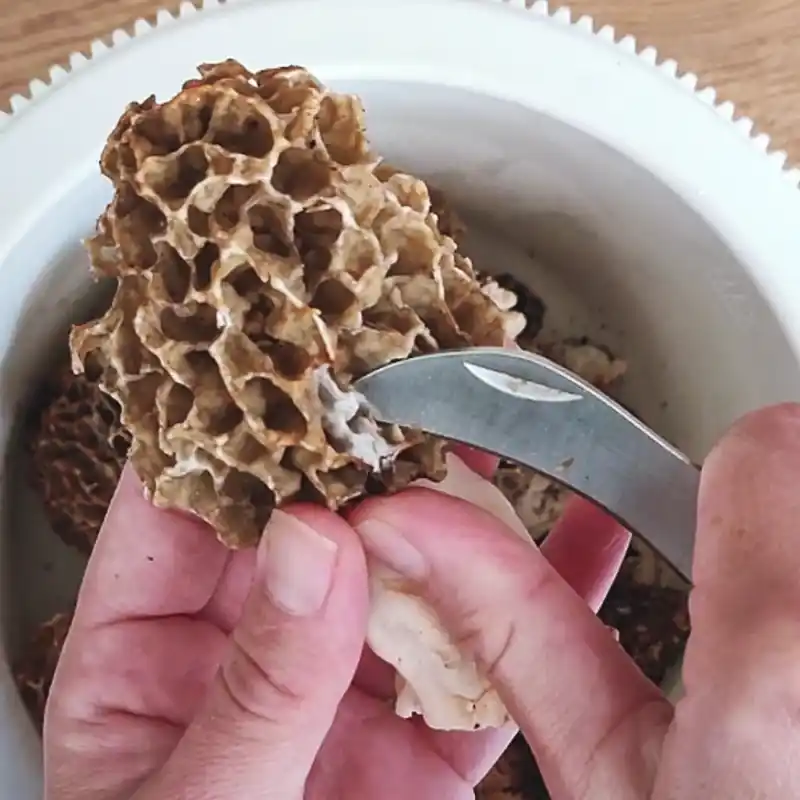
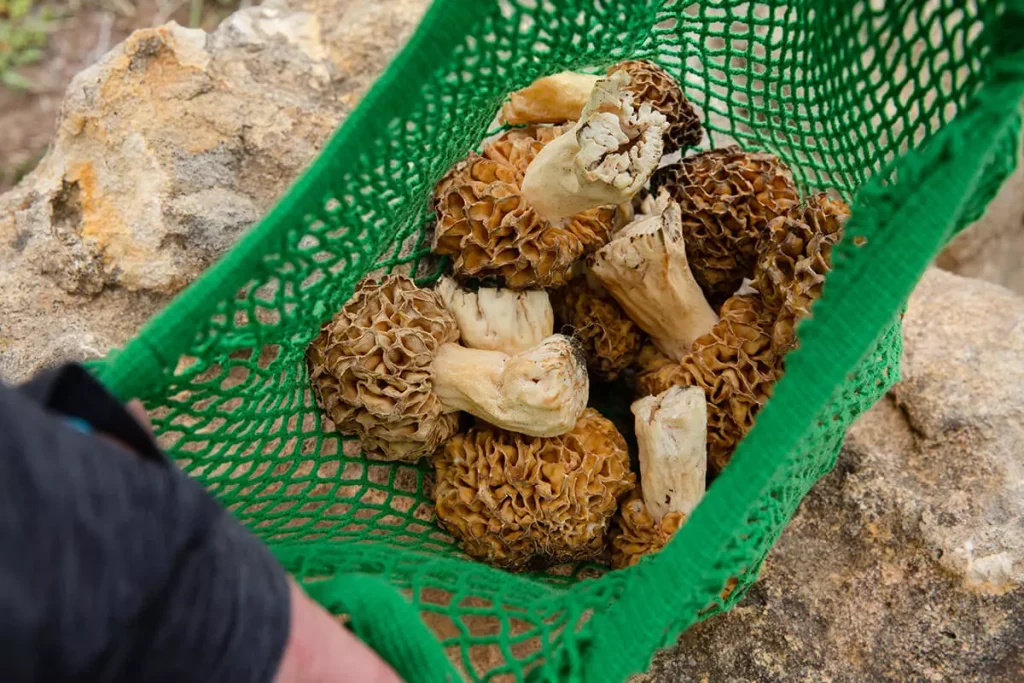
Sustainable Wild Foraging of Morel Mushrooms: A Guide for Harvesters and Traders Morel mushrooms (Morchella spp.), cherished for their rich, earthy flavor and distinctive honeycomb caps, are a premium ingredient in fine dining restaurants across Europe, including France, Spain, Germany, the UK, and Italy. As global demand for these wild delicacies grows, sustainable foraging practices are critical to preserving morel populations and their forest ecosystems. At FungiMatrix, we specialize in hand-forged dried morel mushrooms, sustainably sourced from Pakistan’s pristine forests, ensuring top quality for traders and chefs while protecting the environment. This updated guide offers harvesters and traders practical, actionable steps for sustainable morel foraging, emphasizing ecological balance, economic viability, and ethical responsibility. The Importance of Sustainable Foraging Morel mushrooms contribute to forest ecosystems by decomposing organic matter and forming mycorrhizal relationships with trees like elm, ash, and oak. Unsustainable practices—such as overharvesting or habitat disruption—can deplete morel populations, damage ecosystems, and threaten the livelihoods of harvesters and traders. Sustainable foraging ensures long-term availability, supports biodiversity, and maintains the high market value of morels, which are prized in European culinary hubs like France and Italy. Understanding Morel Habitats and Seasons Effective sustainable foraging begins with knowledge of morel ecology and seasonal patterns: Habitats: Morels thrive in temperate forests, often near dying or dead trees (elm, ash, sycamore, or apple), in grassy meadows, or in burn sites after forest fires. They prefer moist, well-drained soils with temperatures between 50–60°F (10–15°C). In Pakistan, FungiMatrix sources morels from forested regions with rich biodiversity. Seasonal Timing: Morels typically appear in spring. In Europe: France: Early spring (March–April) in southern regions like Provence. Spain, Germany, UK: Mid-to-late spring (April–May). Italy: April–June, especially in northern woodlands. Pakistan, morels emerge from March to May, depending on rainfall and altitude. Monitoring Conditions: Look for warm days following spring rains, with soil temperatures around 50–53°F for optimal growth. Best Practices for Sustainable Morel Foraging Sustainable foraging minimizes environmental impact and ensures morel regeneration. Harvesters should follow these guidelines: 1. Selective Harvesting Harvest Sparingly: Collect only 30–40% of visible morels in a patch to allow spore dispersal for future growth. Leave smaller or older mushrooms to reproduce. Cut Above the Soil: Use a sharp knife to cut the stem just above the ground, preserving the underground mycelium network essential for morel regeneration. Avoid pulling, which can damage the mycelium. Rotate Sites: Avoid harvesting the same patch repeatedly in a season to prevent depletion. 2. Use Appropriate Equipment Breathable Containers: Use mesh bags or wicker baskets to carry morels, allowing spores to disperse as you move through the forest. Plastic bags trap spores and promote spoilage. Tools for Precision: Carry a sharp knife for clean cuts, a soft brush to remove dirt, and a GPS or map to track locations and avoid overharvesting. Field Identification: Use a reliable field guide or app to distinguish true morels (hollow, honeycomb-like) from toxic false morels (Gyromitra spp., often wrinkled and solid). 3. Minimize Environmental Impact Tread Lightly: Stick to existing paths to avoid trampling vegetation or disturbing wildlife. Minimize soil disruption around morel patches. Leave No Trace: Remove all trash, including organic debris like mushroom trimmings, to maintain pristine habitats. Consider picking up litter to support ecosystem health. Protect Habitats: Avoid foraging in ecologically sensitive areas, such as protected reserves or post-fire zones under restoration. 4. Safe Identification True Morel Traits: True morels have a hollow stem and cap, with a pitted, honeycomb-like cap attached directly to the stem. False morels have a wrinkled, brain-like cap and a cottony or solid interior. Training and Resources: Join foraging workshops or local groups in Europe or Pakistan to learn from experts. Verify identification with multiple sources to avoid health risks. Consult Experts: Collaborate with mycologists or experienced harvesters to ensure accurate identification. 5. Adhere to Regulations Local Laws: Foraging rules vary by region. In France, permits are required in some forests; in the UK, foraging on private or protected land is often restricted. In Pakistan, follow local forestry guidelines to ensure legal harvesting. Private Land: Always obtain permission from landowners before foraging. Ethical Sourcing for Traders: Work with harvesters who comply with regulations and sustainable practices to maintain supply chain integrity. Post-Harvest Handling for Quality and Trade Proper handling ensures morels remain high-quality for traders and chefs: Cleaning Objectives: Eliminate physical impurities (dirt, sand, leaves) Remove insects or larvae Avoid structural damage or excessive moisture Common Cleaning Techniques: Dry Brushing: The preferred method for high-end culinary morels. A soft brush gently removes visible debris without introducing moisture. Air Blowing / Vibration Trays: Used to dislodge dirt and particles through mechanical means while minimizing human contact. Minimal Moisture Rinse (Selective Use): Employed only when debris is embedded. Mushrooms are briefly rinsed and promptly air-dried to prevent absorption. Note: Immersing morels in water for extended periods compromises texture, shelf life, and flavor. Controlled cleaning is a balance between sanitation and preservation. Economic and Ethical Opportunities for Traders Market Value: Dried morels command premium prices driven by demand from fine dining in France, Italy, and beyond. Their year-round availability makes them a reliable product for traders. Fair Trade: Partner with local or indigenous harvesters, as FungiMatrix does in Pakistan, to ensure fair wages and support rural economies. Avoid suppliers linked to overharvesting or exploitation. Transparency: Highlight sustainable sourcing on packaging or marketing materials to attract restaurants and consumers prioritizing ethical products in markets like Spain and Germany. Value-Added Products: Explore opportunities like morel powders or extracts for nutraceuticals, appealing to the growing wellness market. Why Choose FungiMatrix for Sustainable Morels? At FungiMatrix, sustainability is at the core of our operations: Ethical Sourcing: We work with skilled harvesters in Pakistan to employ eco-friendly foraging practices, protecting forest ecosystems. Premium Quality: Each dried morel is hand-forged and rigorously inspected to meet the standards of Europe’s top chefs. Global Reach: We supply to France, Spain, Germany, the UK, Italy, and beyond, ensuring a reliable supply for traders and restaurants. Community Impact: Our partnerships with local harvesters promote sustainable livelihoods and environmental